


“Honey, I really need to go to the loo.”
The bus lurched and I nearly fell back into my seat.
“So go,” he mumbled, pulling his mask over his eyes.
“I can’t. It’s blocked, and spilling everywhere.”
My husband grunted, as he hauled himself out of his seat, squeezed past me, and disappeared down the dark aisle towards the back of the bus.
A minute later he was back, sleeve rolled up to the elbow, face like thunder.
“Hand sanitiser.”
I passed him the bottle. He squirted, settled back into his seat, pulled the mask back over his eyes, and was asleep again within about ninety seconds.
This was 3am, somewhere on a Brazilian highway, hour twelve of sixteen.
18 years of marriage, right there. 😂
…
150 days ago, my husband and I squeezed what was left of our lives into two backpacks and set off with no fixed abode, no return ticket, and no true plans, other than we were travelling around South America.
I’m 53, he’s just turned 50 and we’ve been living overseas, as expats and semi nomads, for 16 years.
Between us we have years of travel experience, and yet full-time nomad life has still managed to teach us a whole new curriculum.
So here is approximately 5 months of lessons from the road, in no particular order, with all the embarrassing bits left in.
1. Pack light. Then pack lighter.
My backpack is still too heavy! I’ve been throwing stuff out as we go, but it’s not enough.
Somewhere in there I am carrying: a spare pair of glasses for emergencies, 30 packs of disposable contact lenses that have never been opened and a podcast microphone that’s 365g (yep I weighed it & yes that’s a lot when you’re trying to get down to 9kg).
The truth is I wear the same things every day. Just one look at my travel photos and you’ll see my black t-shirt and denim shorts on every single one. And before you tell me about the denim shorts - yes I get it, but I love them, they’re my fave shorts and they’re actually very light.


So I haven’t solved this one yet. I’m using most of what I have in my bag, and what I’m not using is going home with my daughter this weekend, so we’ll see how much of a difference that makes!
This leads nicely to:
2. Pick a colour and stick to it
For 5 months I’ve been carrying around a pair of lovely white trousers, a white T-shirt and a cheerful yellow dress. They’re all going home with my daughter, and here’s why.
When you’re living out of a backpack, laundry isn’t a quick spin in your own machine. It’s a mission involving laundrettes, timing, carrying bags around and shoving everything in one load.
Not a beautifully separated lights wash and a darks wash. Everything together.
So my entire wardrobe is now navy, grey and black. A bit sombre, but great, both for washing and for hiding the dirt. 😮
Fashion is for people with washing machines. 😂
3. Detergent sheets are tiny miracles
One of the more unexpected challenges of nomad life is standing in a supermarket trying to work out which bottle contains washing liquid.
The labels are in Spanish or Portuguese, the pictures aren’t helping and Google Translate is telling you the product is either fabric softener or furniture polish.
At one point Rhett & I were shaving off bits of what we hoped was a washing ‘block’ and melting it in hot water to add to the machine. We’re not 100% certain that what it was, but the clothes came out ok. 😎
Detergent sheets solve all of that. They’re light, take up virtually no room and mean I can do laundry anywhere without trying to decipher an aisle of mystery liquids.
In fairness, a lot of South American laundrettes include detergent in the machines, but when they don’t the sheets are gold.
It’s not glamorous travel advice, but neither is running out of clean knickers.
4. On that note: the launderette is a day out
Alright last one about washing I promise. (It’s amazing how things you take for granted at home become major topics of conversation on the road!)
I love launderettes.
Call me mad but from the minute I started travelling years ago, a launderette represented freedom to me.
Instead of being shackled to the kitchen or washroom doing weekly washes, here I am at a launderette, randomly doing my washing because I’ve run out of clean underwear, chatting with the locals at the coffee shop next door while I wait for the dryer to finish.
Its an event!
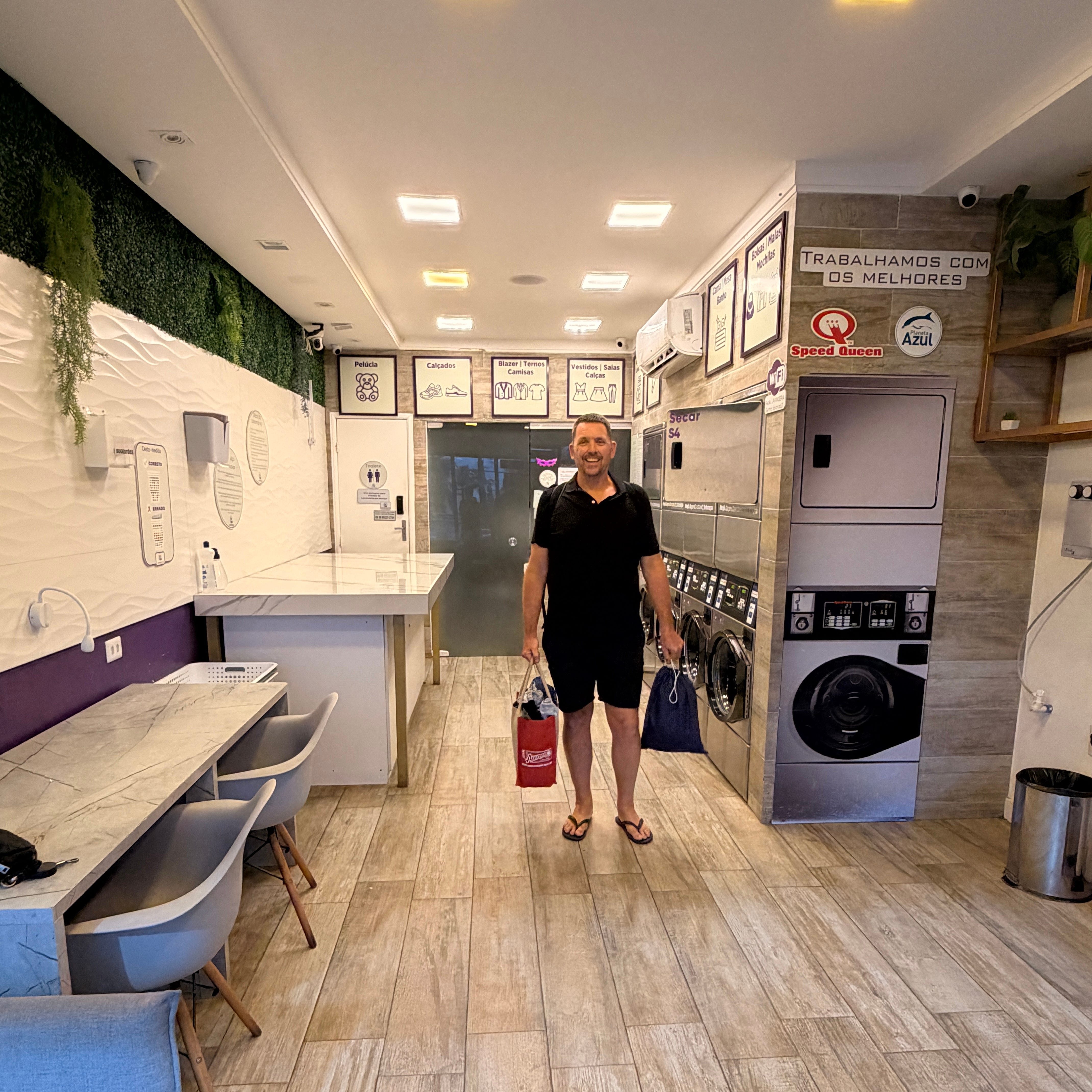
In Sao Luis in Brazil we found a launderette directly next door to a shop selling cold beer.
So we sat there, beers in hand, watching our entire wardrobe go round and round, having what I can only describe as a small party. One wash, two beers, immaculate afternoon.
5. Always pay in the local currency
I learned this one years ago, but it bears repeating because it costs people money every single day.
At the ATM, when it asks whether you’d like to be charged in pounds or pesos: pesos.
At the card machine in the shop, when it offers to helpfully convert to your home currency: decline.
Choose local, every time. Otherwise the exchange rate is set by the machine, and the machine does not have your best interests at heart.
Choosing locally means the exchange rate is set by your bank so no unexpected surprises.
Side note: Wise has been a game changer for us. Real currency exchange & cheap fees.
6. Bring a hoodie, even to the tropics.
Here’s a fun fact about menopause: most women get hot flushes. I got the opposite.
I was already a cold person, and menopause turned the dial down further, so I now travel with a husband and, when she visits, a daughter, who both sleep with the sheets kicked off while I lie beside them freezing like something out of Oliver Twist.
(Bonus: 104° in Vegas to me was super comfy 🤷♀️)
So my hoodie has been the single most valuable item in my backpack.
Air-conditioned shopping centres are set to arctic. Aeroplanes are flying fridges. Overnight buses double as meat lockers.
Do not let the words “hot country” fool you: the buildings and vehicles of hot countries are the coldest places on earth.
There’s been many a time when we’ve made an impromptu cinema stop & I’ve been snug as a bug in a rug while the air-con runs to freezing.
7. Never board anything without snacks, especially with a grumpy husband
If I attempt to buy crisps before 10am, Rhett will have a small meltdown about standards, and decency, and what has become of us.
He will then sit on the plane two hours later eating those crisps while slowly decompressing from his ‘travel dad’ (a name our daughter gave him) stressed to the eyeballs persona.
The lesson is: always have snacks. Sandwiches, crisps, fruit, whatever you can get.
Delays happen, buses run long, and a hungry husband is a public safety issue.
Buy the crisps. Absorb the lecture. You’ll both be glad by cruising altitude.
8. The Booking (dot)com 8.5 Rule
After five months of booking accommodation on the move, I’ve learned not to book anything on booking (dot) com under an 8.5.
And even then, I remain suspicious because some people would happily give five stars to a garden shed with a fan.
There are also four things I always check before I book:
Air conditioning. Non-negotiable in the heat. (Clearly less important in colder environments)
Somewhere to make a cup of tea, whether that’s a kettle or a tiny kitchen.
Private bathroom. At my age having our own bathroom is a non negotiable.
A window! You’d be surprised at the amount of rooms without natural light and I can’t stand it. I need light, even if we’re overlooking a car park.
And one final rule: never book accommodation when you’re tired. That’s how you end up booking the wrong dates, the wrong month, or occasionally the wrong country.
Check it once. Check it twice. Then hand it to your wife because by god if you get it wrong you’re in trouble, but if she does, it’s just a minor snafu. ☺️
9. English breakfast tea bags are currency
(This one is for the Brit tea lovers. Clearly apply to whatever is your favourite beverage if it’s not usually supplied where you’re travelling.)
If you like a proper cup of tea, pack plenty of English breakfast tea bags, because in South America they are gold dust. What passes for black tea in some places would make my nan weep.
It’s also why having a kettle matters when booking a room.
There are few nomad pleasures greater than a decent cuppa in the evening in your own room, and few disappointments sharper than realising your room has no kettle and you’re holding a tea bag with nowhere to go.
10. Seven to ten days is the sweet spot when house sitting
House sitting is a serious travel hack. Live somewhere free? For weeks on end? In a place not unlike your own home? And all you have to do is take care of a dog or a cat or two?
Almost too good to be true.
But it’s not. We stayed in a house in Dulwich Village just outside of London (which is a very la-di-da area) for 7 weeks across Christmas for free. It would have cost us thousands.
Same in San Diego, Vancouver next week, Richmond later in the year & so on.
But even though it’s free & lovely to live in a home for a while, I start to get itchy feet after about 10 days.
Pets are lovely, but a commitment. And if you want to explore the area without worrying that’s something you need to consider.
If you want to know more about house sitting see my post here:

11. Build in rest days, because your body is keeping score
I’ve always been a very energetic person so I was surprised to find that travel tiredness sneaks up on you.
A few bus journeys here, a couple of walking tours there, some early starts, a few late nights, and suddenly you’re wondering why you’re grumpy and exhausted.
We’ve learned to build in recovery time.
If we’ve been moving quickly, we’ll stay somewhere for a week and do very little.
If we’ve spent several days exploring, we’ll happily dedicate the next couple to reading, working, drinking tea and generally behaving like pensioners.
Choose a rhythm that suits you and never apologise for slowing down to catch your breath.
We ain’t getting any younger! 😂
12. Wear comfy shoes. Nuff’ said.
13. A sarong is the most versatile thing you will ever pack
A towel on the beach, a blanket at a picnic, a scarf on a cold bus, a shoulder cover at a temple in Asia, a dress over your swimmers, or a pillow, folded up, on a long journey.
I had one from Thailand that I loved so much I gave it to my sister, replaced it in Rio, and have used the Rio one so hard it’s already wearing out.
And if you’re considering a microfibre travel towels instead: they’re heavier than you think, and in a hot country a sarong does the same job while weighing about as much as the rumour of how great they are.
Guys - there are manly ones too 😂
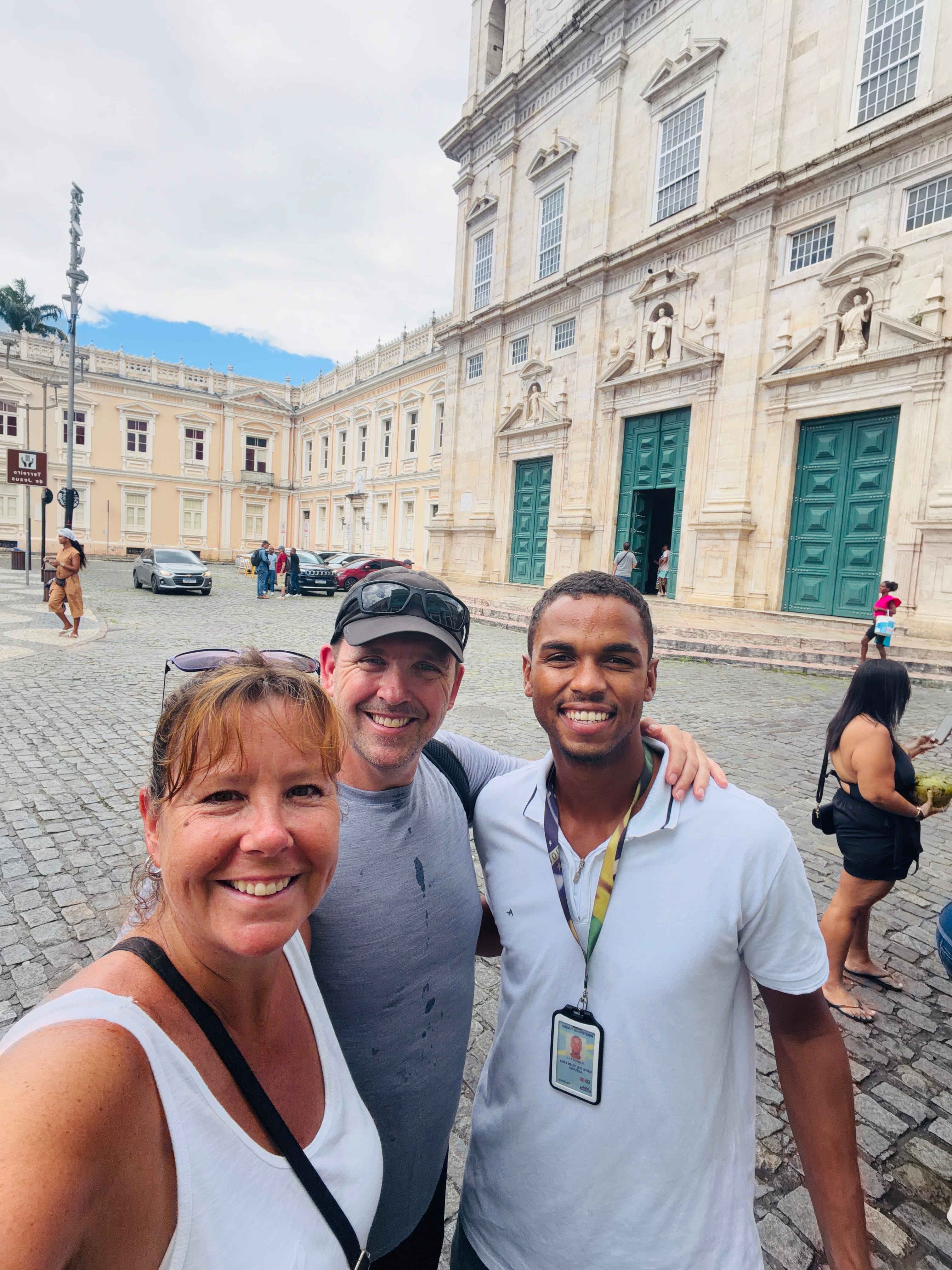
14. On arrival, do a free walking tour
One of the first things we do in a new city is look for a free walking tour. Most big cities have them.
You get your bearings, learn a bit of history, and suddenly you’re seeing the place through different eyes because you know what happened on that square and why that building matters.
The guides will also tell you what to do, what to skip, and crucially, in parts of South America, which areas to avoid: information worth far more than the tip you’ll give at the end.
I also love hop-on hop-off bus tours for similar reasons. In a very short space of time you know which areas you want to see more of and which to skip. Super handy if you’re only there a couple of days.
15. The small heroes: sandwich bags, eye mask, earplugs
Nobody writes Instagram posts about sandwich bags, but I think they’re missing a trick.
Sandwich bags are invaluable. A leaky shampoo bottle, a bar of soap, the precious tea bags: everything goes in a sandwich bag. Plus they’re super light and small, so I always have a stash in the bottom of my bag.
An eye mask, because hotel rooms are designed by people who hate sleep. There’s the standby light on the telly, the light on the aircon, the light on the smoke alarm, the mystery light that cannot be traced to any appliance known to science.
And earplugs, for everything else: the street noise, the dodgy plumbing, the neighbours, and occasionally the husband.
16. Get away from your husband (or spouse)
I say this with love.
5 months in each other’s pockets, 24 hours a day, 7 days a week, will produce some interesting scenarios and what diplomats might call “frank exchanges of views.”
The fix is simple: whenever possible, get up in the morning, find a little cafe, do some work, and have some you time.
An hour or two apart works wonders. You come back with things to tell each other, which is a small miracle after 5 months of shared everything.
17. Get Insurance
We would be over $10k poorer if we didn’t have travel insurance.
After an unfortunate 2am stint in a dodgy backstreet hospital in Cartagena, I ended up having my gallbladder removed in a (very lovely) hospital in Costa Rica.
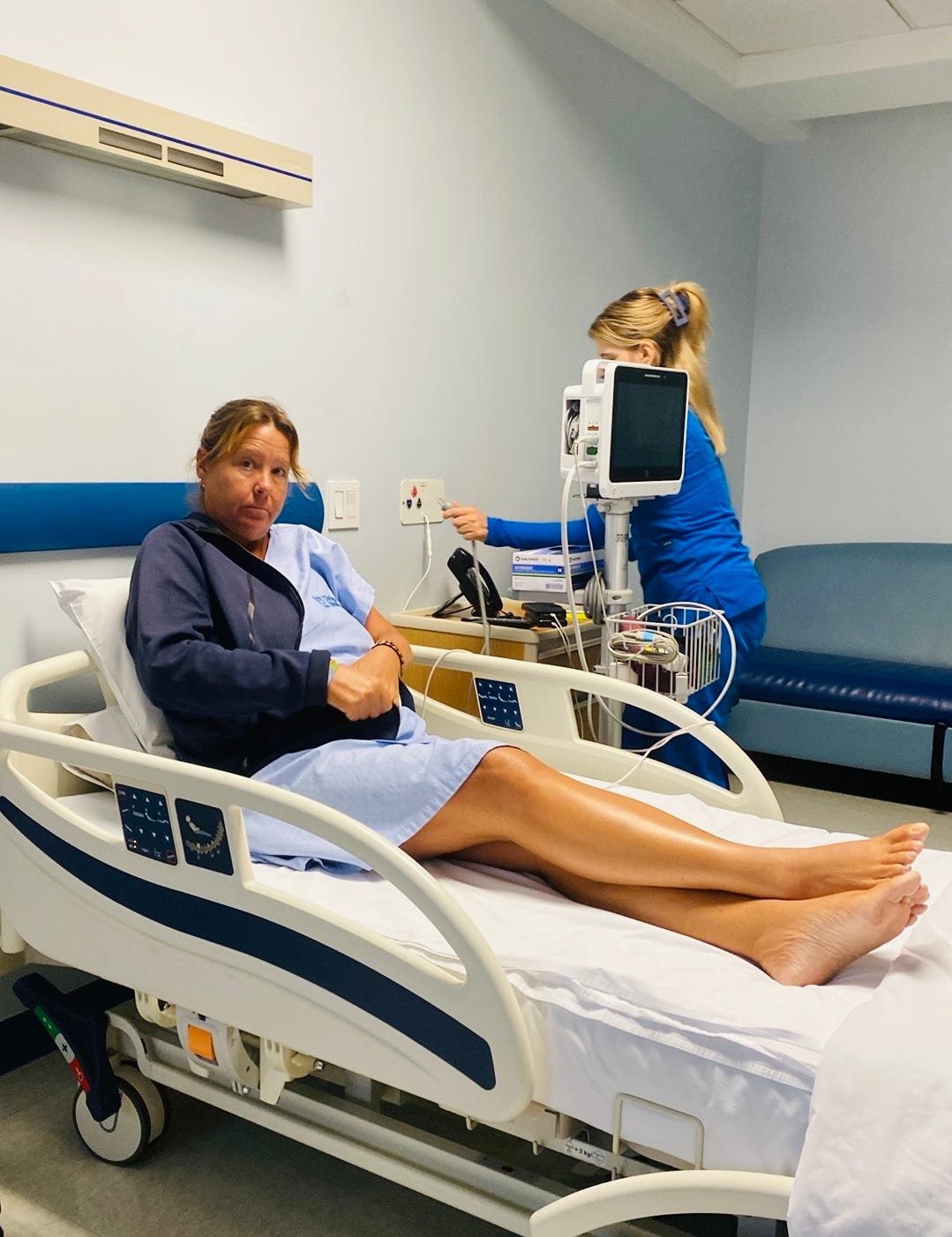
Very unexpected and extremely expensive (and painful).
Our excess was $75. That’s pretty much all that experience cost is (well that and the extra night hubby had to book in a hotel & $250 for a cab to our hotel on the other side of the country as I couldn’t travel by bus).
Still, much cheaper than the $10k plus they charged the insurance company!
18. Have Fun
Traveling on its own merit is stressful. Booking, packing, buses, planes, trains, & automobiles.
Nomadism kicks it up several levels and it’s not for the faint hearted.
Which is why I think the number 1 personality trait you need as a nomad is a good sense of humour & a laid back attitude.
Com si com sa, as my Mother used to say.
It is what is it, Kay sera sera. You get the point! 😂
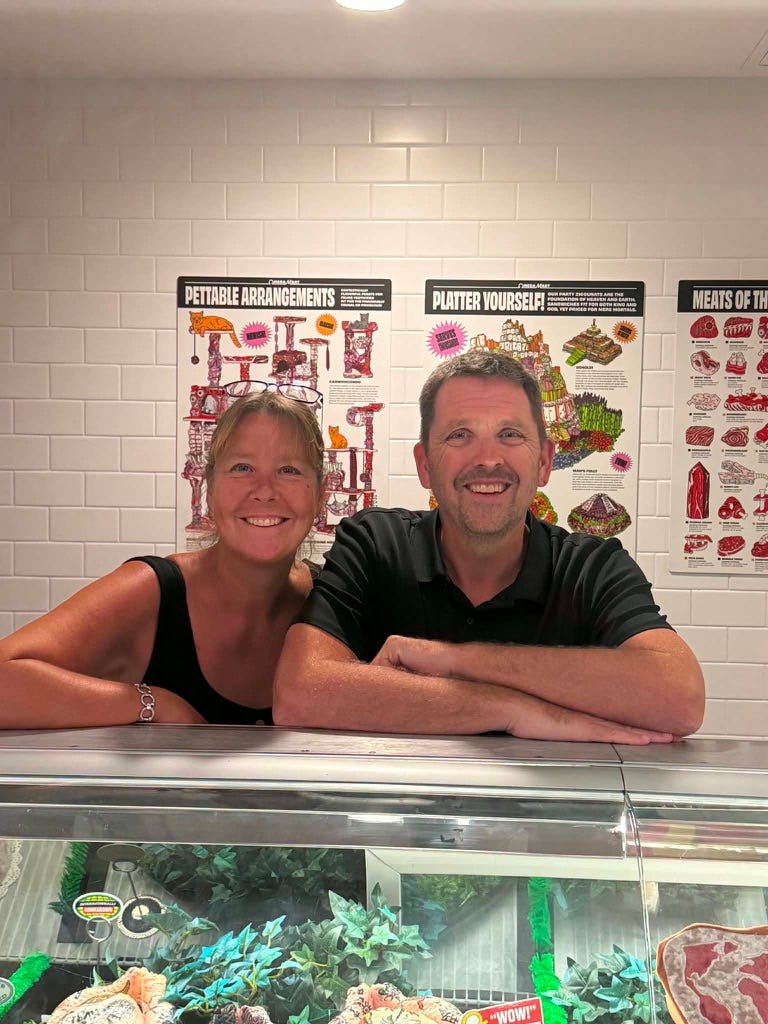
150 days down. The backpack is still too heavy, I’m down an organ, I’ve just clocked 100 consecutive days learning Spanish on Duolingo & I need to get more teabags.
And I wouldn’t swap a day of it (well maybe the op & stint in Hosp. But you know what I mean).
Here’s to the next 150 days!
Adventure never retires ✈️
What would your lessons be? If you’ve travelled long term, drop yours in the comments: I’m always looking for reasons to throw something else out of my backpack. 😎
All of this okus rule number one on travel day: No blaming.
Yes! Agree with these. Sandwich bags are unsung heroes. We also often do the walking tours (or food/walking tour combos) to help get oriented in a new place.