


In the last few months I’ve:
Navigated a 16-hour overnight bus ride with a broken toilet on a Brazilian highway
Shared my dinner with a donkey in a village with sand for floors
Ended up in a backstreet hospital in Cartagena at 2am
Followed that with a gallbladder operation in a hospital in Costa Rica
Had glitter in my backpack for three weeks after Carnival in Rio
Ridden a rollercoaster on top of a hotel in Vegas
Won $90 playing blackjack (and lost quite a bit more)
Drunk cachaça with locals in Salvador
Stood in a Portuguese supermarket trying to work out if the block in my hand was washing powder or furniture polish
Almost got robbed in San Jose
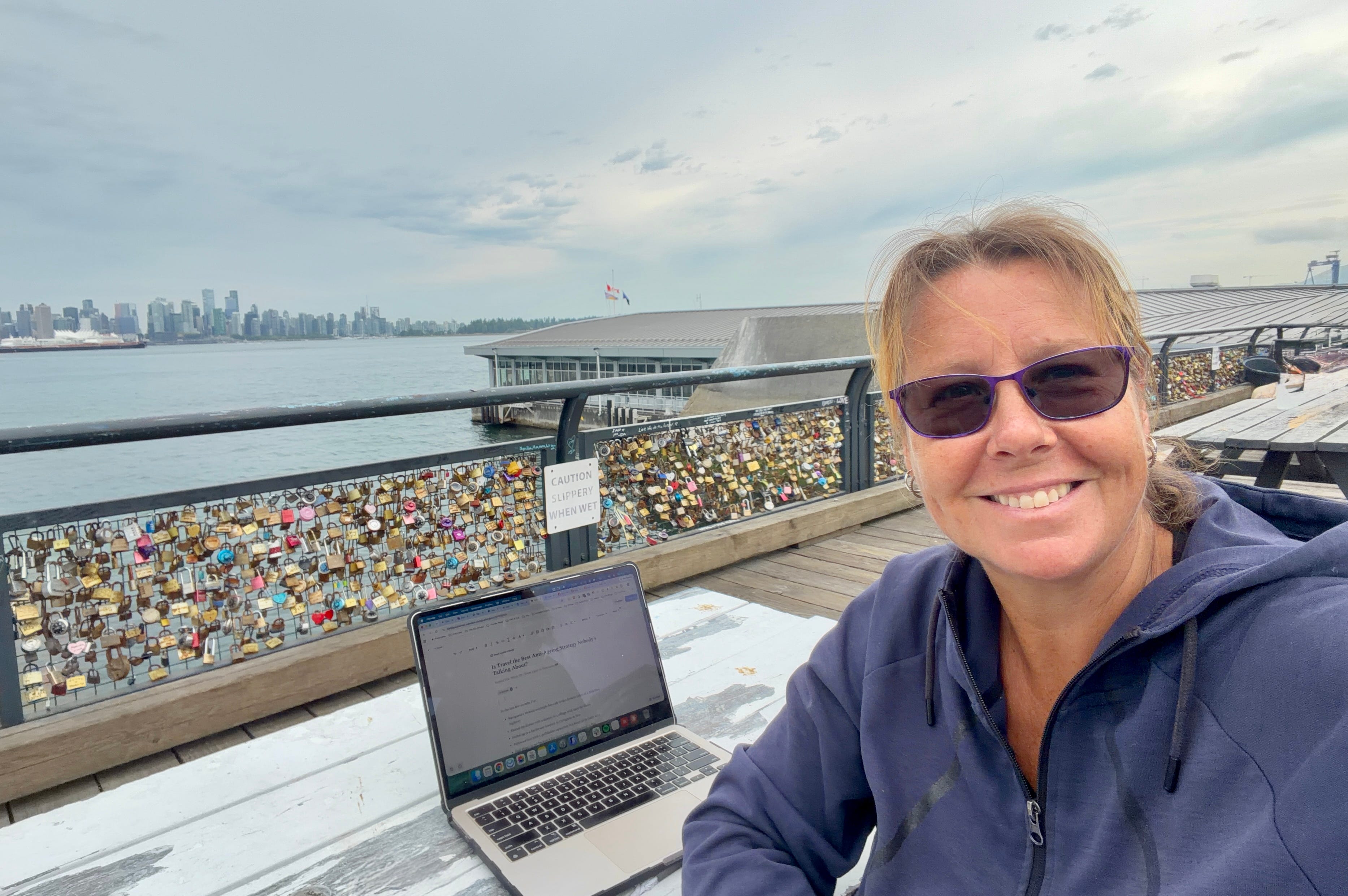
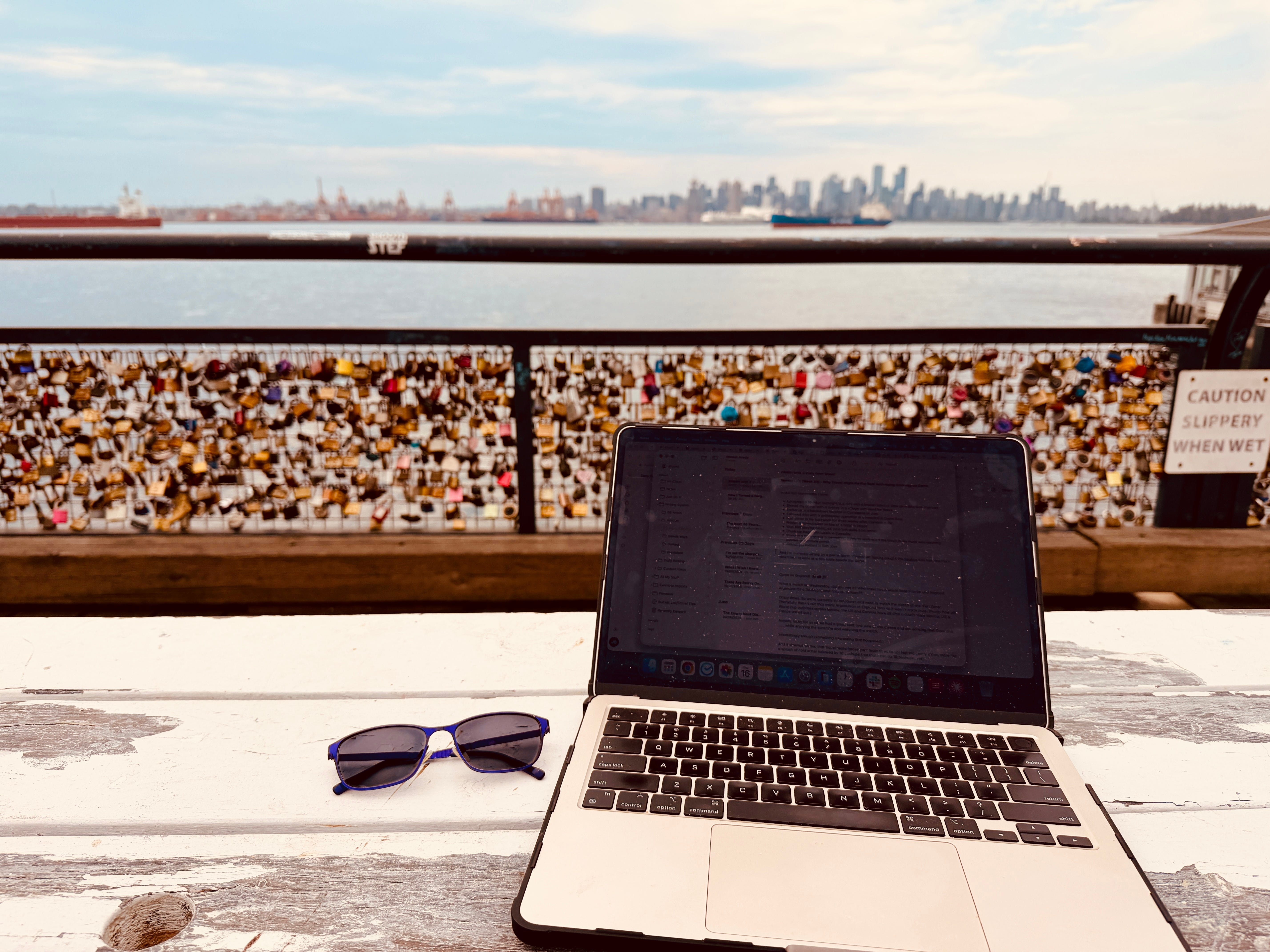
And I’m currently sitting on a pier in North Vancouver, having caught the Seabus this morning from downtown to work at a table beside the water.
And it dawned on me, that travel really forces your brain to wake up! Not too gently either, more like a splash of cold water followed by 10 pushups (not that I can do 10 pushups…yet).
Which might be why I’m increasingly convinced that travelling the world could be one of the best anti-ageing strategies on earth.
And you may be thinking, well yes that’s what sunshine and cocktails will for for you Jo. And I agree those things are nice, but I’m talking about what travelling does to your mind.
The Brain Likes New Things
Most of our life tends to run on autopilot.
We wake up in the same bed. Walk into the same kitchen. Drive the same roads. Shop in the same supermarket. Speak the same language. See the same people.
I remember on more than one occasion driving to work and forgetting how I got there (and no I wasn’t drinking).
It’s because when we’re in daily habit mode our brains don’t have to work very hard. They already know the script (and the way apparently).
Which is efficient, of course. But not particularly stimulating.
Travel changes that instantly.
Suddenly your brain is doing things like:
reading unfamiliar signs
learning new words
navigating strange streets
working out transport systems
interpreting cultural cues
deciding what on earth to order from a menu
and deciphering washing machine instructions in a foreign launderette. 🙄
All of that requires active thinking. Your brain switches from cruise control to alert mode. (Which leads to some very deep sleeps, let me tell you!)
Neuropsychologist Elkhonon Goldberg (author of The Wisdom Paradox) has spent years studying how the brain changes as we age, and one of his key ideas is that novelty matters.
When we try new things, visit unfamiliar places, or learn new skills, the brain can’t rely on autopilot. It has to pay attention, adapt, and create new connections, which helps to keep us mentally flexible and sharp.
In other words, novelty is like pushups for the brain. 💪
And let’s face it. Travel serves up novelty by the bucketload.
Curiosity Is Youthful Energy
Ooh I love that phrase! From the first moment my good friend Graeme Clemett referred to it on one of my FB posts.
(Which is poignant because he is loaded with youthful energy! He’s the Australian National Pickleball champ - age 60 something! - You rock Graeme 🤘)
And something I’ve noticed in life and on the road, is that the people who seem most alive are the ones who stay curious and want to keep learning and growing as a person.
They’re the ones wandering down random streets just to see what’s there. Trying food they can’t pronounce. Talking to strangers. Signing up for a hike or a cooking class simply because it sounds interesting. Or desperately trying to add up the cards on the blackjack table.
Curiosity keeps life expansive.
The moment we stop being curious is the moment life starts shrinking. And of course, travel makes curiosity almost unavoidable.
You’re constantly arriving somewhere new and everything around you is different. The smells, the sounds, the pace of life. It wakes your sense up!
And that sense of “ooh what’s around the corner?” is the exact opposite of feeling old.
Movement Happens Naturally
Another accidental benefit of travel is how much more you move without really trying.
At home it’s easy to become sedentary without noticing. (Hours and hours in front of a computer is not anti-ageing compatible - she says eating a bag of chips sitting at a table on her computer 😂)
But when you’re exploring a new city you naturally:
walk more
climb stairs
wander through markets
hike viewpoints
swim in the sea
stroll neighbourhoods just to see what’s there
Movement stops being a chore and becomes part of the adventure.
Just this week as an example, I’ve walked 20+ minutes down to the local coffee shop every morning to write my articles or run my ecom business. Monday I walked all over downtown Vancouver exploring Gastown, Chinatown and the surrounding area.
Wednesday we walked bloody miles to find somewhere to watch the (disastrous) England game, and today I’ve explored all around the shipyard here in North Vancouver, plus walking to and from the skytrain, seabus and surrounding area.
I don’t have my fitbit anymore, but I guarantee I’m doing well over 10k steps a day, but not for the step count. For curiosity (there’s that word again), exploration, fresh air and the distinct lack of a car! 😂
And when your body is moving, your energy shifts. I can literally feel my synapses firing when I get outside, suck in the air, put my music on and start walking.
Connection Keeps Us Alive
I don’t want to get morbid, but did you know that loneliness is one of the biggest silent health risks of later life?
Research has linked chronic loneliness to higher rates of dementia, heart disease, depression, and early death. Some studies have compared its impact to smoking up to 15 cigarettes a day.1
So as we get older, staying connected to other people isn’t a nice-to-have - it’s a health strategy.
And yet as we age, most of us shrink our worlds.
The workplace social circles fade. Many of us now work from home, behind a laptop all day on our own. The kids move away. Friends move, retire, get ill, some of them pass away. Nights out slow down. Daily conversations thin out to the same few people, or in some cases, no one at all. (Crikey Jo, thanks for that. 🫣)
Good news! Travel does the opposite.
You end up in conversation with strangers constantly.
Taxi drivers telling you about the local area. The couple next to you on the plane who’ve just done the same trip in reverse. Baristas who want to know why you’re in town. Hotel receptionists who remember you by day three. Locals in queues. Other travellers at breakfast or in the pool. The old man in the market who insists you try his fruit.
None of these are deep, lifelong friendships (although some can turn out to be), but it means your brain and your heart stay in regular contact with other humans, which is exactly what they need to do to stay healthy.
And Not Just People
Travelling also means a closer connection to nature, to the world, and to something bigger than your daily routine.
Walking along a beach with pounding waves at sunset. Standing on a rooftop in Cartagena feeling the pulse of the city below. Looking out at the expanse of a rainforest canopy stretching to the horizon, or floating along the Amazon listening to Howler monkeys in the trees.
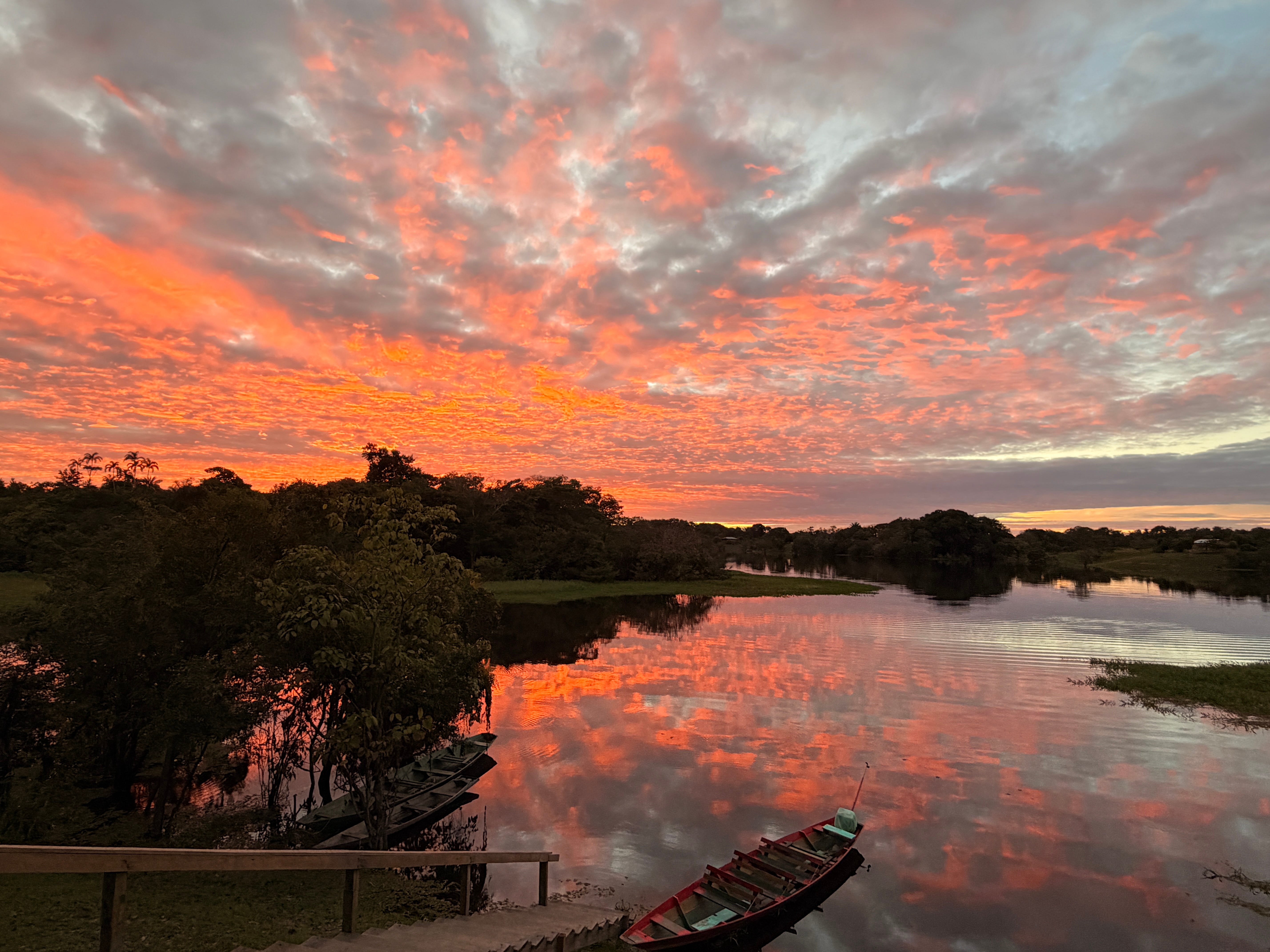
For me personally, I’ve never felt more connected to the world than when I’m moving through it. (Queue Avatar and the Tree of Life….)
And if loneliness and disconnection are quietly ageing us, this might be one of the strongest arguments for adventure over settling down.
The Confidence Effect
Travel also does something super powerful to your sense of capability.
When you figure out a new metro system in a language you barely understand…
When you navigate a city you’ve never been to…
When you manage a massive ascent with dodgy knees and get a round of applause at the bottom… 🥳
Your confidence starts to build.
Your brain registers: I can handle this.
Rhett asked me this week if I felt safe walking about the city on my own, as very sadly there is a drug and homeless issue here in Vancouver (and in most big cities we’ve visited to be honest 😢).
My answer was an instant yes. “I’ve traveled across Brazil & Colombia” I said indignantly - Vancouver certainly doesn’t scare me”.
Don’t get me wrong, I’m still very aware, but my confidence in dealing with any potential situations has risen dramatically, just by navigating countries, cities and areas I felt a little less comfortable in.
And the great news is, that feeling spills into the rest of life.
Running a business. Starting a project. Trying something new. Making a big decision.
If you can land in a foreign country with a suitcase and figure stuff out as you go, a lot of other challenges start to feel more manageable.
Travel Interrupts the “Getting Older” Story
There’s a strange narrative society pushes once we pass 50.
I wasn’t sure I believed it was true, but it’s there.
The subtle messages that we should start slowing down. Take less risks, engage in less adventure, have more caution and wear more beige cardigans. 😳
But travel interrupts that script, abruptly.
You find yourself doing things that don’t feel remotely “old”:
hiking mountains (even with dodgy knees)
learning new languages (110 day streak on Duolingo and counting)
making friends from different countries
navigating strange cities
trying food you’ve never heard of
riding roller coasters on hotel roofs after a few too many beers 🤭
You’re not sitting still waiting for life to happen. You’re immersed in it.
And when you’re actively engaging with the world, the idea that life is somehow winding down starts to feel a million miles in the opposite direction.
Aging Disgracefully
This is one of the reasons I’m a fan of what I call aging disgracefully.
One of my close friends (who’s in her 60’s, is a downhill extreme skier and paraglided alongside her husband into their wedding when they were both in their 50’s), has said to me on numerous occasions;
“We don’t get old and stop doing this stuff Jo, we stop doing it and get old”.
Don’t get me wrong, I’ve never been an extreme sports person. I once did a bungy jump in my early 20’s, and I’ve parasailed off the back of a boat a couple of times, but that’s about it (and personally skiing terrifies me!)
But I want to age in a curious, adventurous, slightly rebellious way.
The kind of aging where you refuse to shrink your life just because the calendar says you should, and instead you keep doing things that stretch you.
Things that make you think, and that make you feel alive.
Travel happens to be one of the easiest ways to do that.
You don’t need to move abroad or become a full-time nomad (although that’s certainly an option), even small trips can wake your brain up.
A different city. A different country. A different culture.
Every new experience gives your mind something fresh to chew on.
A Different Way to Think About Staying Young
Most conversations about aging focus on the usual things:
diet
exercise
supplements
skincare
All useful, of course.
But rarely do people talk about adventure as part of the equation.
But as I’ve discovered personally the brain loves stimulation, novelty, curiosity, learning & connecting.
Travel delivers all of these in generous doses.
Which might explain why some of the most vibrant people you meet on the road are well into their 60s, 70s, and beyond. They didn’t stop exploring and don a pair of fluffy slippers and a nightgown.
They kept showing up and grabbing life!
The Real Secret
In the end, retaining your youthful energy has less to do with birthdays and more to do with how engaged you remain with life.
The moment we stop exploring, learning, and experiencing new things, life starts to feel smaller.
Travel pushes against that, and keeps the world big, interesting, fun and awe inspiring.
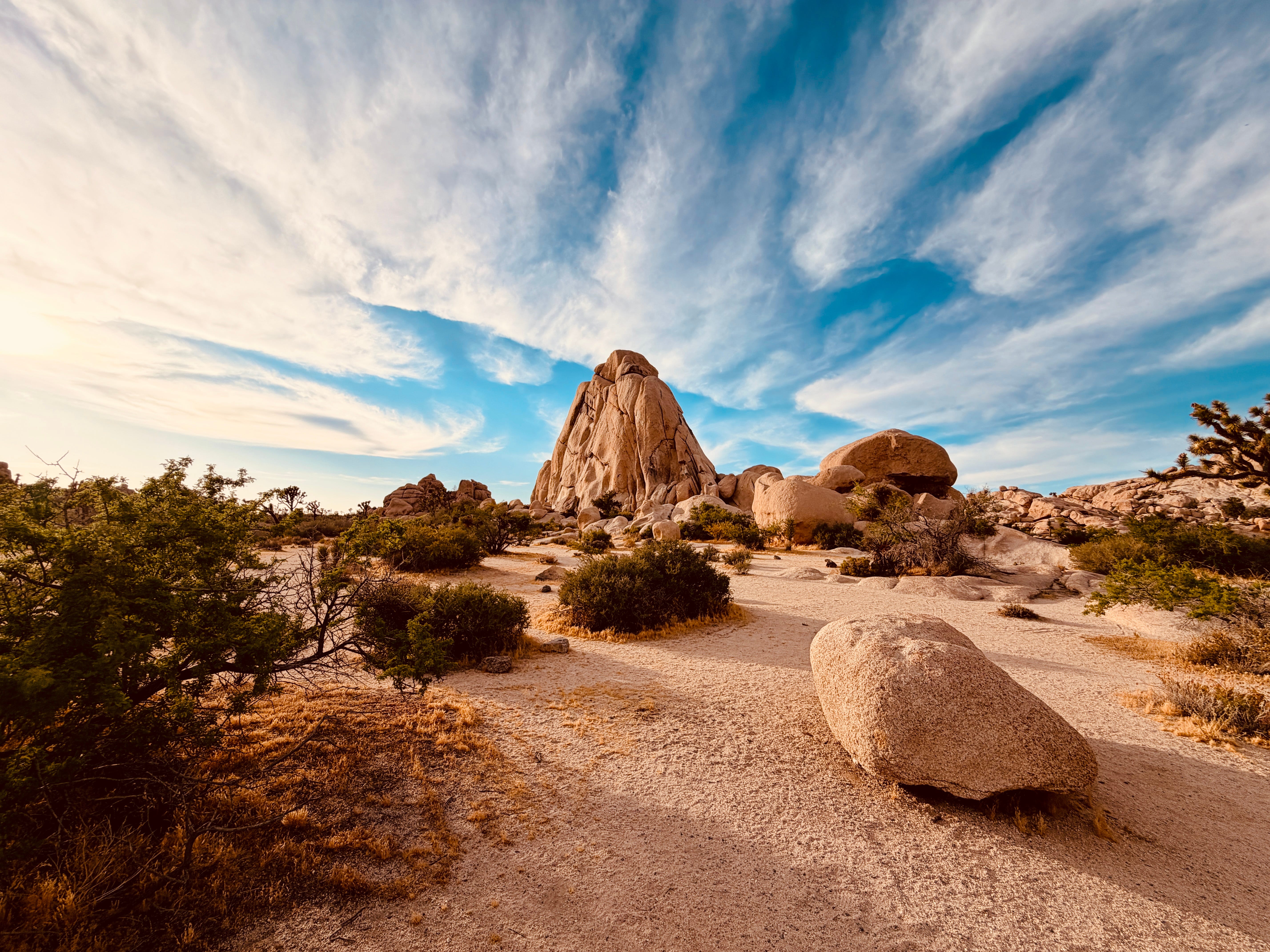
And when the world feels like that, life does too.
Personally, I intend to stay as young as possible for as long as possible and travel is lending me a great big helping hand to achieve that goal.
How about you? What's your version of ageing disgracefully? What are you doing (or planning to do) that refuses to fit the calendar? I'd love to hear about it!
Right gotta run, sadly no rollercoasters nearby, but there’s a chocolatier round the corner with my name on it!
Thanks for reading… 😊
The often-quoted "15 cigarettes a day" comparison comes from a 2010 meta-analysis by Julianne Holt-Lunstad, published in PLOS Medicine, and was reinforced in the U.S. Surgeon General's 2023 advisory on loneliness.
There is so much goodness packed into this post! Your comparison of travel reminded me when I would barely be awake yet go out and run 5 miles of trail before the sun came up and I never really linked that to the same feeling with traveling. Jolted awake about to embark on the day! It really does often feel like a workout.
I also love enjoying learning new cities and the confidence that builds is life changing. Usually by the time I feel like I "know" the place it's time to leave! Even if I never return I enjoy that process.
Thanks for a great piece
«We don’t get old and stop doing this stuff Jo, we stop doing it and get old” - this phrase is gold! I can’t agree more!!